Peptide Pureness Decision Innovative Peptides-peptide Drug Exploration
Peptide Pureness Guide 98%, 99% & Research-grade Explained Prg
In vivo tests assess absorption, circulation, metabolic rate, and excretion (ADME) features, even more verifying effectiveness and security. These testing services not only assist customers optimize items precisely throughout growth yet additionally https://rafaelecxp733.scriblorax.com/posts/bpc-157-tb500-recovery-repair-stack provide solid information support for regulatory compliance of peptide formulas. Beware of COAs that supply a purity number without any sustaining chromatographic data, report purity without specifying the logical approach, or list a molecular weight without mass spectrometry confirmation. Tandem mass spectrometry (MS/MS or MS ²) pieces the peptide ions in the gas phase and analyses Scientific Supplier the fragment masses. This is the gold requirement for peptide identification-- it confirms both the composition and the series. For many peptide jobs, outright peptide amount matters as much as chromatographic pureness.
Quality Assurance And Item Compliance In The Pharmaceutical Sector
- This level of comprehensive evaluation makes sure the peptide's precision-- indicating the sequence and purity are precisely as classified-- which is important for experimental reproducibility.
- This not just satisfies lawful requirements however eventually secures individual safety.
- Artificial insemination examinations examine peptide cytotoxicity, cell uptake, anti-inflammatory task, and more, supplying basic information support for peptide applications in clinical visual appeals and biomedical fields.
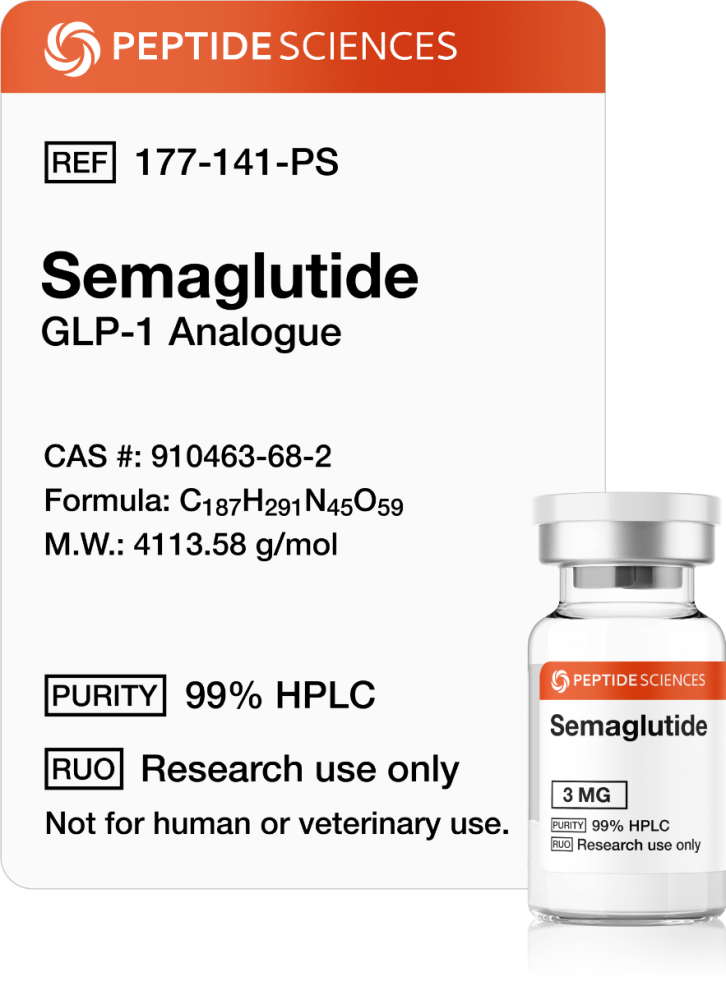
- Each peptide has actually a various expected molecular weight, so mass confirmation is not a generic badge; it is compound-specific evidence.
- Creative Peptides recommends a collection of different pureness degrees to help you select the ideal peptide purity for peptide-based assays and applications.
- Peptide pureness describes the percent of your sample that is the appropriate, unabridged peptide series, without other peptide-related pollutants.
Extremely couple of commercial study peptide distributors supply MS/MS information on routine COAs-- it is generally booked for pharmaceutical-grade materials and advanced research settings. Nonetheless, some premium vendors do supply it on ask for important sets. If series verification is essential for your research, this is the analysis to request. It divides the elements of a sample based upon their differential affinity for a stationary stage (column packing material) and a mobile stage (solvent system moving through the column). Peptides, with long molecular sequences and diverse conformations, present obstacles for structure verification and content determination. BOC Sciences leverages high-resolution mass spectrometry, LC-MS/MS, and NMR to accurately examine molecular structures and supply highly delicate measurable support.
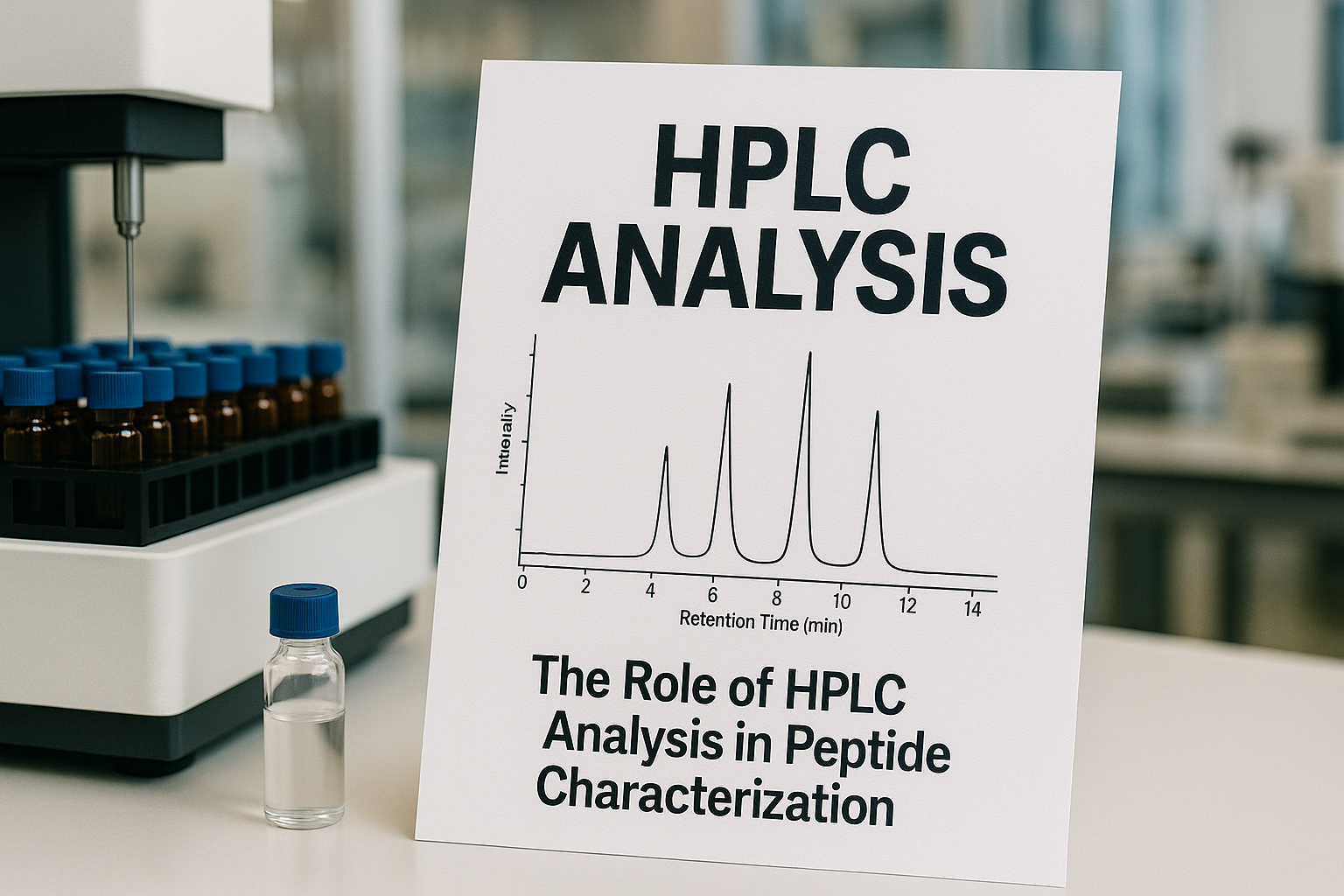
The software attracts borders around each peak and determines the area beneath. The purity percentage comes from comparing the area of the primary optimal to the complete location of all discovered peaks. Most records consist of a table listing each optimal's retention time, area, and percentage of complete area.
Types Of Pollutants Hplc Spots
We support amino acid make-up analysis and internet peptide web content analysis for groups that need even more reputable concentration setting and batch analysis. HPLC-tested means the example was run through high-performance fluid chromatography to separate the target peptide from contaminations. The purity percentage is generally calculated from the major optimal location divided by the total integrated top area.
Unlike a manufacturer's internal testing, independent third-party lab recognition is objective and supplies unbiased results, adding credibility through objective logical data. This process is essential for preserving high peptide top quality due to the fact that the peptide market is mainly uncontrolled in many places, and without validation some providers might provide impure, mislabeled, or even counterfeit peptides [3] Making sure that each set undergoes correct lab testing aids confirm the peptide's authenticity and purity, which is important for both study validity and safety. Peptide purity describes the percentage of your sample that is the appropriate, full-length peptide sequence, devoid of various other peptide-related pollutants. As an example, a purity of 98% indicates that 98% of the peptide product is the desired item, while the various other 2% may be undesired remnants of synthesis (such as insufficient series or amino acid removal variations).
These can be specifically bothersome because their chromatographic actions is very comparable to the target peptide, making them harder to divide during filtration. When a peptide is 98% pure, that remaining 2% isn't arbitrary sound-- it's specific, identifiable types of results. Mass spectrometry measures the molecular weight of a compound with severe precision. For peptides, the most typical methods are electrospray ionization (ESI-MS) and matrix-assisted laser desorption/ionization time-of-flight (MALDI-TOF). HPLC divides a mixture right into its individual components based on exactly how each molecule communicates with a specifically created column. Trusted peptide testing labs will offer a suite of contemporary analytical strategies-- HPLC paired with MS is a must, and accessibility of added techniques like capillary electrophoresis or amino acid evaluation is a perk. Be cautious of labs that do not use mass spectrometry alongside HPLC, as this could miss crucial identity information. Similarly, prevent labs that can not show verified logical techniques. In accordance with ICH guidelines, confirmed methods suggest the lab has actually developed the examination's precision, accuracy, detection limitations, etc, making certain the data you obtain are reputable.